Browse around
topics

Hey!
REGISTERED DIETITIAN & HEALTH ADVOCATE.
I'm Kat
Book a free call with me to learn more about how I can help you improve your relationship with food and stress less about nutrition!

Maple Butter Salmon
RECIPES

4 Nutrients That Slow Skin Aging
NUTRITION

Nutrition for Migraine
NUTRITION

Apple Cider and Ginger Mocktail
RECIPES

1:1 Nutrition
Are you looking for an expert registered dietitian in West MI? Learn more about my virtual counseling services!

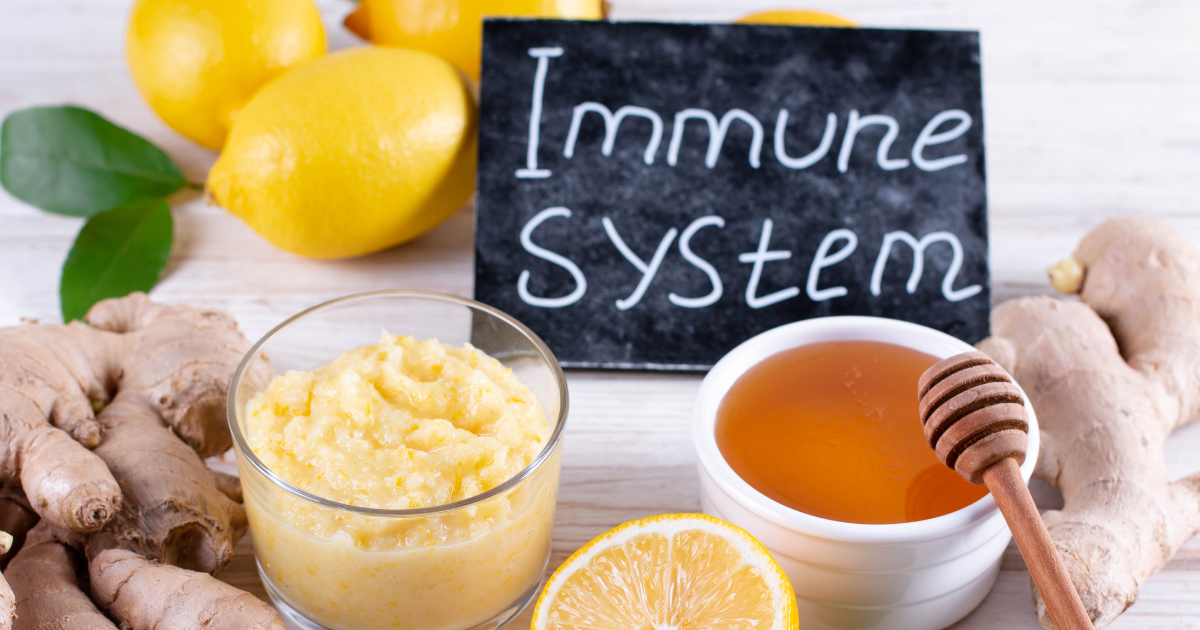
As the weather cools and the sniffles start circulating, many of us wonder: “Is there a way to eat so I don’t get sick – or at least recover faster?” While no single food can guarantee you’ll dodge every bug, what you eat does matter for immune health. Natural immune system support uses specific vitamins and minerals with research-backed benefits. Below are research-backed ways to give your body what it needs to keep you healthy during flu season.
What the Science Actually Supports (and What It Doesn’t)
Vitamin D – make sure you are not deficient
- An analysis that combined data from over 11,000 people found that regular supplementation with vitamin D (daily or weekly) reduced the risk of acute respiratory infections. The benefit was the strongestest for people who started with low vitamin D levels.
What to do: If you live somewhere with limited sunlight (think winter), especially if you spend most days indoors (like working from home); it’s worth talking to your doctor or a registered dietitian (like me!) about checking your vitamin D level. Depending on your results, they may recommend supplementation and diet changes.
Food-first sources: fatty fish (salmon, mackerel), fortified dairy or plant milks, egg yolk and cremini mushrooms.
Vitamin C — may ease severity when you do catch a cold
- A 2023 meta-analysis (review of many randomized controlled trials) found that regularly taking vitamin C significantly reduced the severity of common colds by about 15%. For “severe cold” symptoms, the reduction was even more notable. This study did not support that vitamin C prevents colds.
What to do: Eating vitamin C–rich foods most days is a smart approach. If you get a cold and want to use vitamin C supplements, they might help reduce the severity, but it’s not a “magic shield” and you should speak with your doctor first.
Food-first sources: citrus fruits (oranges and limes), strawberries, kiwi, red bell peppers, white potatoes, broccoli, leafy greens.
Zinc — may shorten colds
- A meta-analysis of clinical trials found that when people took roughly 80–92 mg/day of elemental zinc via lozenges soon after noticing cold symptoms recovered much faster. In fact, about three times faster than placebo. On day 5, 70% of those on zinc had recovered, compared to 27% with placebo.
What to do: Instead of expecting zinc supplements to prevent colds, think of it as a possible short-term tool if used properly (lozenges, started early, with professional guidance). Getting your zinc through zinc-rich foods carries a lesser chance of over supplementation and side effects.
Food-first sources: legumes (beans, lentils), pumpkin seeds, beef, and seafood (oysters, crab, lobster)
Whole-food, nutrient-dense diet matters most
Rather than focusing on one “superfood,” people do best when their overall diet is balanced, diverse, and nutrient-rich. That means plenty of fruits, vegetables, whole grains, legumes, lean proteins, nuts, seeds, and healthy fats – especially during cold & flu season.
Eating this way helps ensure adequate intake of important vitamins, minerals, antioxidants, fiber, and other compounds that support immune system functioning.
If you would like to learn more about how you can best balance your diet for your personal needs, including immune health, I am available for one-on-one nutrition consultations. Book with me here!
What to Watch Out For
- Supplements aren’t always best. High-dose vitamin C or zinc for long periods isn’t recommended for everyone, especially without monitoring from a doctor. More does not mean better.
- Balance over megadoses. A diet rich in whole foods offers more nutrients, systemic benefits, and fewer risks than chasing “immune-boosting” supplements alone.
- Lifestyle matters. Diet is important – but so is sleep, hydration, stress management, physical activity, and hygiene.
Natural Immune System Support: Key Takeaways
- Nourish your body with a varied, whole-food diet rich in colorful produce, lean proteins, legumes, and nuts/seeds.
- Prioritize vitamin D (especially in the darker months), vitamin C–rich foods, and zinc-rich foods, but avoid relying solely on supplements.
- If you choose supplements (vitamin D, zinc, vitamin C), do so thoughtfully and ideally under professional guidance. Supplements are meant to supplement a balanced diet, not replace it.
Remember: there’s no “immune-boosting miracle,” but a thoughtfully structured diet and lifestyle can support your body through cold and flu season.
Pin
Share
Leave a Reply Cancel reply
Previous Story
next Story


© 2023 Kathryn Durston, RDN. Site by Sugar Studios
Get the free guide download straight to your inbox!
5 Easy Tips for Relieving Stress Around Food
Join Me on Insta

I'm so glad to have you here. Take a deep breath and look around!
