Browse around
topics

Hey!
REGISTERED DIETITIAN & HEALTH ADVOCATE.
I'm Kat
Book a free call with me to learn more about how I can help you improve your relationship with food and stress less about nutrition!

Maple Butter Salmon
RECIPES

4 Nutrients That Slow Skin Aging
NUTRITION

Nutrition for Migraine
NUTRITION

Apple Cider and Ginger Mocktail
RECIPES

1:1 Nutrition
Are you looking for an expert registered dietitian in West MI? Learn more about my virtual counseling services!

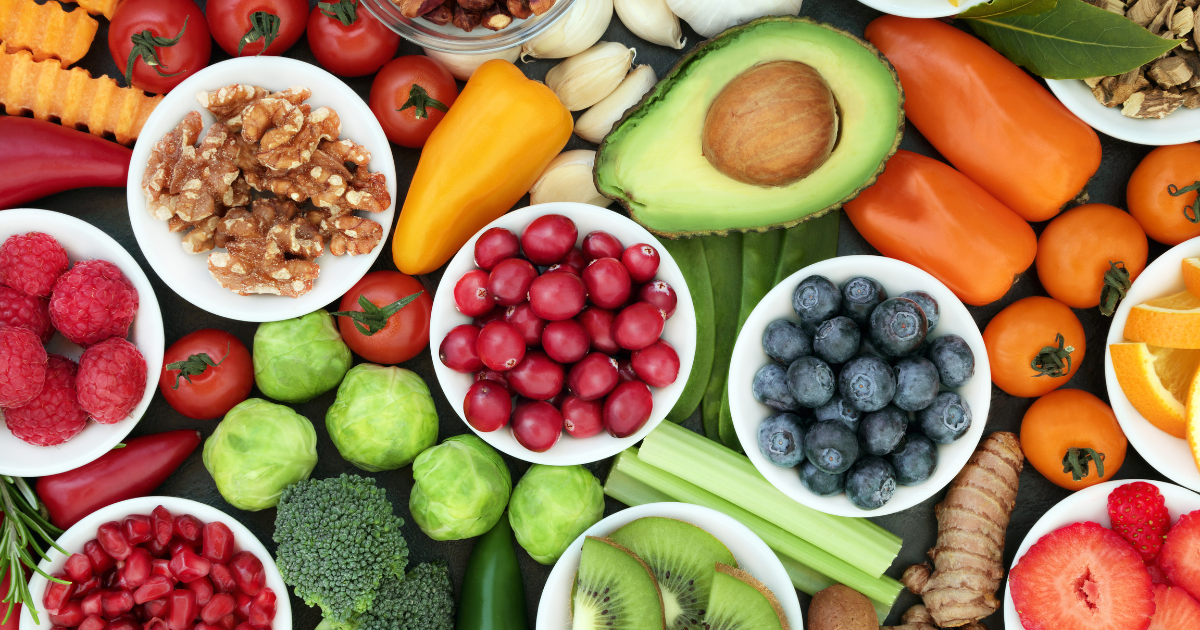
As we step into a new year, many of us feel motivated to improve our health through better nutrition. Yet, the idea of “eating healthy” can feel overwhelming, especially if you’re unsure where to start. The good news? You don’t need to overhaul your entire diet overnight. Scientific research shows that small, consistent changes are the most effective way to build lasting, healthy eating habits.
Why Small Changes Matter
Research in behavioral science and nutrition consistently highlights that gradual change is more sustainable than drastic dieting. A 2018 study published in Health Psychology found that people who made small, manageable changes to their eating habits were more likely to maintain those changes over time compared to those who attempted major overhauls. This approach reduces feelings of deprivation and increases confidence, making it easier to stick with new habits.
Step 1: Start with One Simple Swap
Instead of trying to change everything at once, begin with one easy change. For example:
- Swap sugary drinks for water or herbal tea.
- Replace white bread with whole-grain bread.
- Add one extra serving of vegetables to your meals daily.
- Do not buy any new food with “added sugar” in the nutrition label.
These small swaps increase your intake of fiber, vitamins, and minerals, which are vital for digestion, immune function, and overall health. According to the Dietary Guidelines for Americans, adults should aim for at least 2.5 cups of vegetables per day, but most fall short. Starting with one extra serving is a manageable step toward this goal.
Once you ace your first “swap” try adding another into your diet. Before long, you will have the healthy diet of your New Year’s resolution dreams!
Step 2: Focus on Balanced Meals
Healthy eating isn’t about restriction; it’s about balance. A balanced plate includes:
- Vegetables and fruits: Aim for half your plate to be colorful produce.
- Whole grains: Such as brown rice, quinoa, or oats.
- Lean protein: Including beans, lentils, fish, poultry, or tofu.
- Healthy fats: Like avocado, nuts, seeds, and olive oil.
- Water: When you feel thirsty, water is the best for hydration. Try to limit juice, sugary drinks and dairy.
This combination supports stable blood sugar, sustained energy, and hunger suppression. The Harvard T.H. Chan School of Public Health’s Healthy Eating Plate model is an excellent visual guide for meal balance.
Step 3: Practice Mindful Eating
Mindful eating means paying full attention to your food- its taste, texture, and how it makes you feel. Studies show that mindful eating can reduce overeating and improve your relationship with food. Try to eat without distractions like TV or phones, and pause halfway through your meal to check your hunger level.
Step 4: Plan and Prepare
Planning meals and snacks ahead can prevent impulsive, less nutritious choices. Simple meal prep, like chopping veggies or cooking grains in advance, saves time and reduces stress during busy days. Research indicates that meal planning is associated with healthier diets and better weight management.
Step 5: Celebrate Progress, Not Perfection
Healthy eating is a journey, not a destination. Celebrate your small wins, whether it’s drinking more water or trying a new vegetable. Remember, occasional indulgences are part of a balanced lifestyle and do not undermine your progress.
Final Thoughts
Starting your healthy eating journey with small, sustainable changes is backed by science and supported by real success. As a registered dietitian, I encourage you to focus on progress rather than perfection. Over time, these small steps will add up to meaningful improvements in your health and well-being.
You never have to walk this journey alone. If you would like personalized guidance and goal setting tailored to your lifestyle, feel free to contact me to book an appointment. Here’s to a healthy and vibrant new year!
Pin
Share
Leave a Reply Cancel reply
Previous Story
next Story


© 2023 Kathryn Durston, RDN. Site by Sugar Studios
Get the free guide download straight to your inbox!
5 Easy Tips for Relieving Stress Around Food
Join Me on Insta

I'm so glad to have you here. Take a deep breath and look around!
